Resources
Articles, essays, and resources to support your journey to better health.
Articles, essays, and resources to support your journey to better health.
Articles, essays, and resources to support your journey to better health.

Why should a test and markers be read differently.
Some therapies discourage antioxidant use. Does this include fruits and vegetables ?
An in depth look at the mechanisms and terrains involved with autoimmune thyroid function.
Brief questions to start process
Distinguishing truths.
Helping your immune system with food.
Cholesterol is not a simple one-marker story.
GLp1 as a tool, not a forever.
"Low carb" is often viewed as a fad or pseudo-science. The real reason for low carb meals.
Understanding cortisol before , during and after treatment.
How much stress do you have and how is your body handling it.
How the gut affects all systems.
How is your gut health, and how do you direct?
Explaining the role of saturated fat .
5 Basics of healthy eating.

I have talked a lot in my book and blog about the effects of stress on heart disease risk, sleep, and obesity, but I want to focus in this post about the effects of stress on digestion. Dr. Ron Sinja
How to use the research by Dr. Michael Poulain to promote longevity.
Blue Zones, as originally researched, may hold valuable lessons in cancer care.
What nutrients actually get to your cells is the critical part of food evaluation.
Understanding nutrient absorption: Which foods not only have nutrients, but are absorbed and used.
Why exercise alone does not reduce weight
A compliment to the standard of care.
Not all carbohydrates affect the gut equally.
Important biomarkers to understand and test before, during, and after endurance competition

Podcast Episode · The Metabolic Classroom with Dr. Ben Bikman · April 6 · 31m

Butyrate is produced when gut bacteria break down fiber and other prebiotic foods—and it’s vital for a healthy gut and metabolism. Learn how to boost your levels with food.
The primary source of vitamin D is sun exposure. After entering our body, vitamin D converts to 25-hydroxy-vitamin D (calcidiol) in the liver and then to its active form, 1,25-dihydroxy-vitamin D (calcitriol) in the kidneys.
The group of CYP450 enzymes plays crucial roles in drug metabolism and the synthesis of cholesterol, steroids, and other lipids.
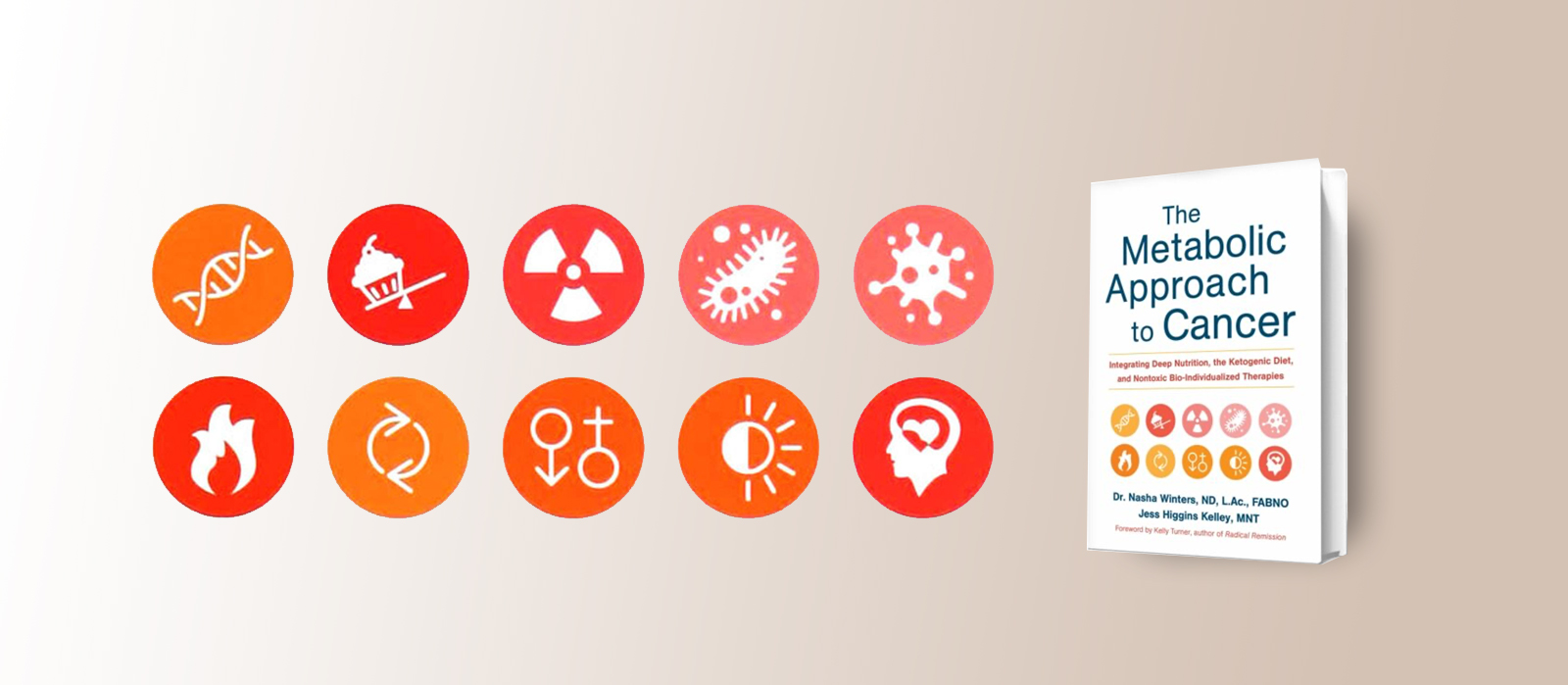
"The Metabolic Approach to Cancer: Integrating Deep Nutrition, the Ketogenic Diet, and Nontoxic Bio-Individualized Therapies" by Dr. Nasha Winters.
It has been reported that a 5 kg/sqm increase in BMI can be considered a risk factor for several solid and non-solid cancers (cancer of the thyroid, kidney, and colon, esophageal adenocarcinoma, multiple myeloma, leukemia, and non-Hodgkin lymphoma) in both sexes.
While traveling, I appreciate discovering restaurants that share our beliefs at Remission Nutrition about the importance of real food. The nutrients in our food originate from the soil and the methods used in its growth, harvesting, and processing.
At Remission Nutrition, we believe in the profound wisdom of the phrase: “Let food be thy medicine.” But what does this mean when it comes to something as serious as cancer?

Omega-3 fatty acids improve cellular health, help reduce inflammation and promote metabolic health. Here's the science behind them and how you can get more.

How investigative journalist Gary Taubes learned to spot bad science in nutrition, why that matters for your health decisions, and how to think more like a careful scientist yourself.

In an excerpt from “Why We Get Sick,” Ben Bikman explains why metabolic health often focuses on glucose when insulin may be the main character
Can the keto diet help cure, treat, or prevent cancer? We share the latest science and research to uncover what we know so far.
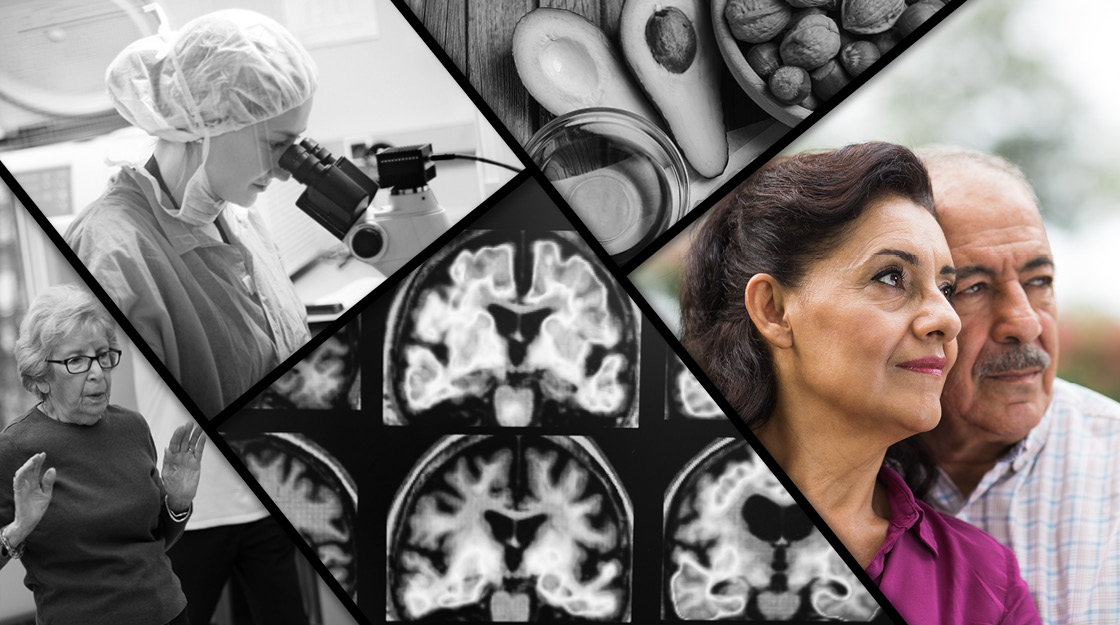
For nearly 80 years, the Harvard Study of Adult Development has been producing data and lessons on how to live longer, happier, and healthier lives.
I'd love to speak to you about how optimal nutrition can dramatically improve the way you feel physically and mentally. Get in touch and let's see what we can do together!